← all book reviews · review 66 / 82
living
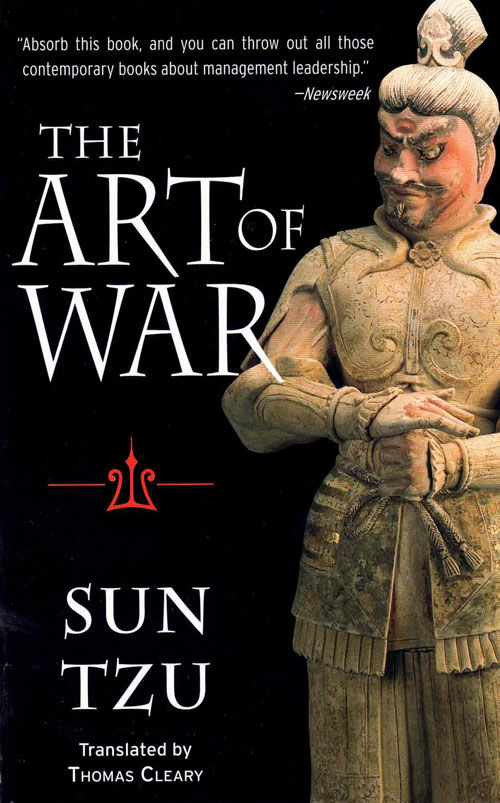
The Art of War
rated 4 out of 5read january 2026
notes · 2 min read

Read Daniel's notes about The Art of War on the booksense app
open booksense →It’s still the most practical strategy book ever written.
Here are 10 lessons that changed how I think about winning:
- “The victorious strategist only seeks battle after the victory has been won.”
Winners don’t fight fair fights.
They stack the odds before they engage.
By the time you see them move, they’ve already won.
- “Supreme excellence consists in breaking the enemy’s resistance without fighting.”
The best victories cost nothing.
Negotiate. Persuade. Outlast.
The skilful leader captures cities without siege and overthrows kingdoms without lengthy operations.
- “Water shapes its course according to the ground over which it flows.”
Rigid plans fail.
Water finds the path of least resistance, and so should you.
The “heaven-born captain” modifies tactics based on circumstances.
- “Rely not on the likelihood of the enemy’s not coming, but on your own readiness to receive him.”
Hope is not a strategy.
Don’t bet on competitors being slow.
Bet on yourself being ready.
Make your position unattackable.
- “Do not repeat the tactics which gained you one victory.”
What worked once won’t work twice.
Your competitors adapt.
Yesterday’s winning formula is tomorrow’s predictable pattern.
- “Hold out baits to entice. Pretend disorder and crush him.”
All warfare is based on deception.
When strong, appear weak. When near, appear far. When active, appear idle.
Make them miscalculate.
- “Attack what is weak. Avoid what is strong.”
Frontal assaults are for amateurs.
Find the gap.
Strike where they’re not looking.
Speed and surprise beat size.
- “He who relies solely on warlike measures shall be exterminated; he who relies solely on peaceful measures shall perish.”
Balance aggression with diplomacy.
Pure hawks burn out. Pure doves get eaten.
The master knows when to push and when to wait.
- “Begin by seizing something your opponent holds dear.”
Leverage changes everything.
Control what they value and they’ll come to you on your terms.
- “The good fighters of old first put themselves beyond the possibility of defeat.”
Secure your foundation before attacking.
Opportunity comes from the enemy, but only if you’re still standing when it arrives.
The thread connecting all of this?
Patience. Preparation. Adaptability.
The best strategists win before they fight.