A few years ago I gave a presentation on the art of effective public speaking. I recently found the slides and decided to turn them into an article.
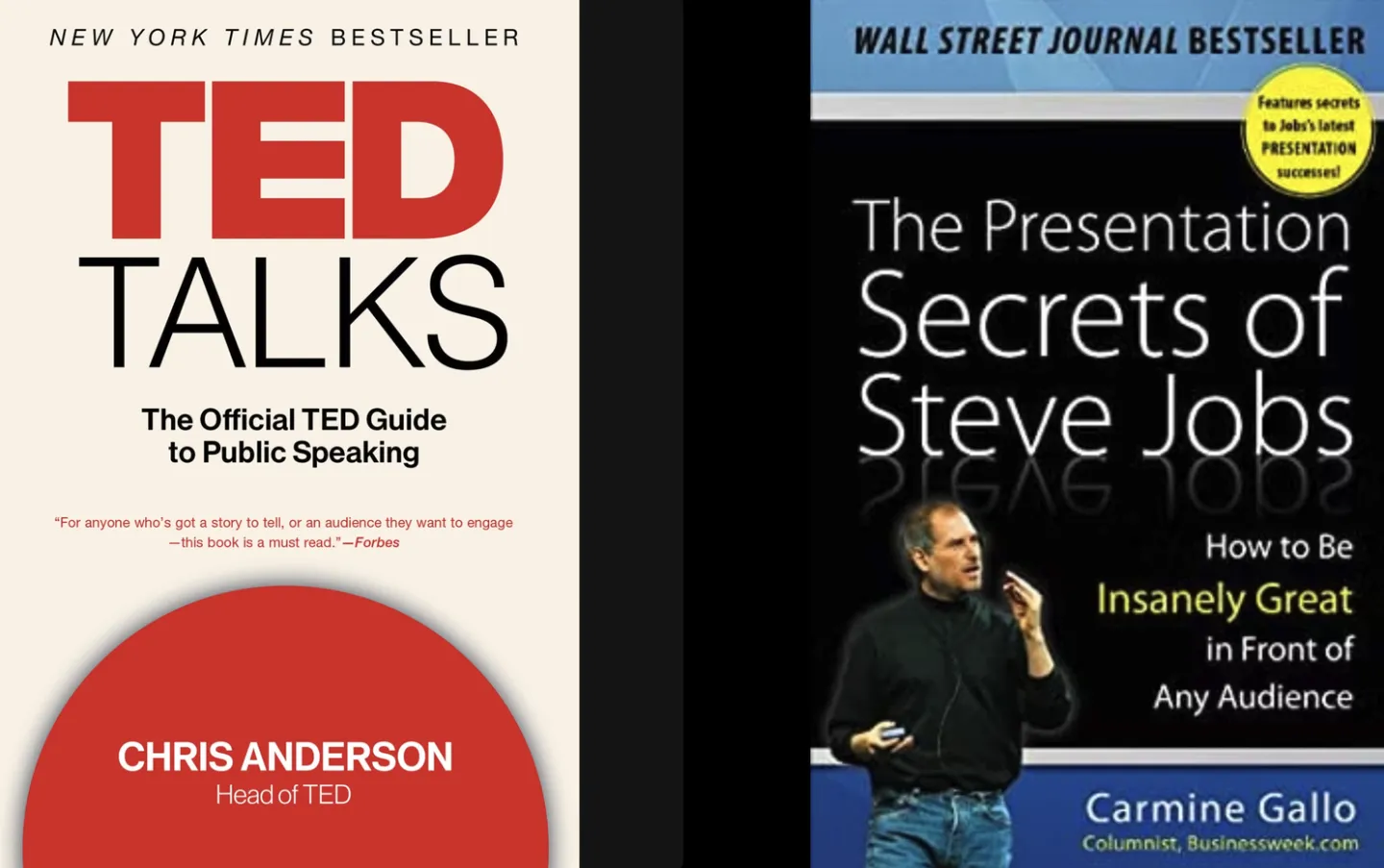
Most of the ideas come from two great books: TED Talks by Chris Anderson, and The Presentation Secrets of Steve Jobs by Carmine Gallo.
Let’s get into it.
The ingredients
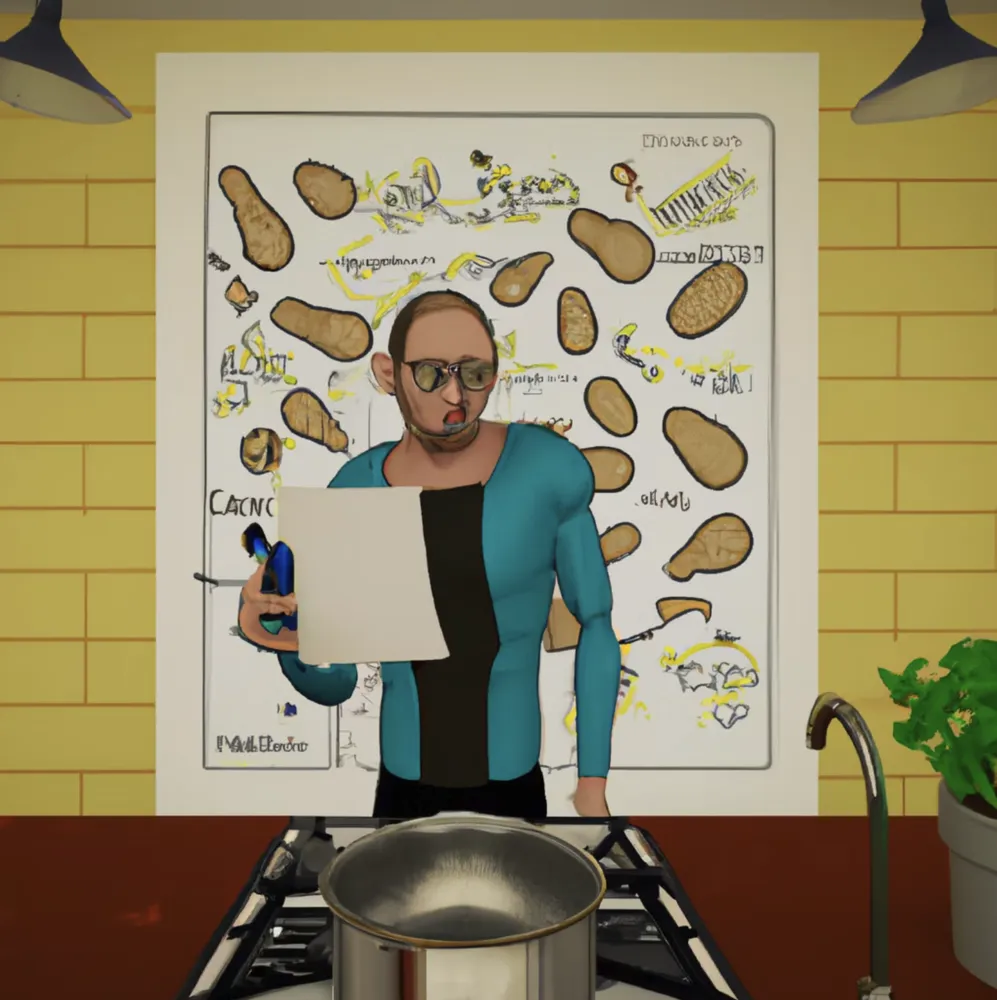
A great presentation, like a great meal, has a few essential ingredients: connection, revelation, throughline, a worthwhile message, and a call for action.
Here’s what each one is trying to do:
- Connection: Why should I trust you?
- Revelation: Can you take my breath away?
- Throughline: Where are you taking me?
- Something worth saying: What matters to you, and why?
- Call for action: What should I do now?
Let’s go a little deeper on each.
Connection
To make an impact, there has to be a human connection. Steve Jobs built it with storytelling, humor, and empathy.
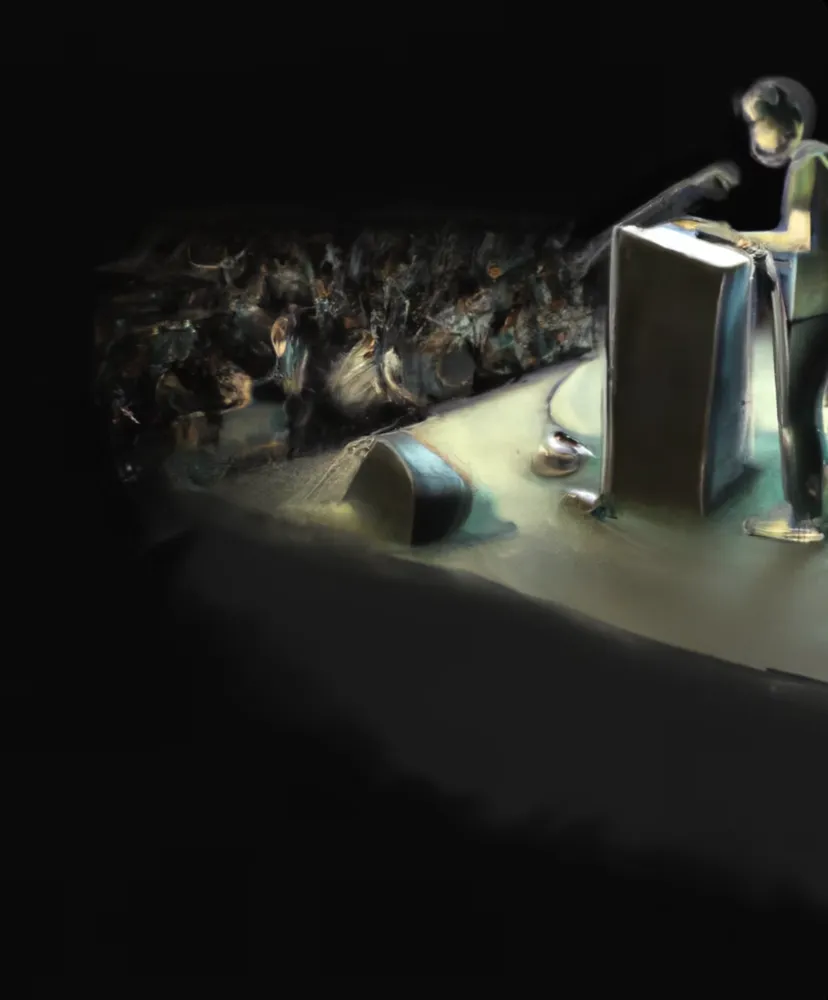
You can give the most brilliant talk (crystal-clear explanations, laser-sharp logic) but if you don’t connect with the audience first, it just won’t land.
Get personal. Tell a story. Show a little vulnerability and humor. Your very first job as a speaker is to build a trusting human bond, so the audience is willing (delighted, even) to give you full access to their minds for a few minutes.
Why humor? Because it breaks down the barriers and hacks away the resistance to listening. Part of the evolutionary purpose of laughter is social bonding: when you laugh with someone, you both feel you’re on the same side. One short story that makes people smile can unlock the rest of your talk. You’re not looking for jokes; you’re looking for hilarious-but-true stories that are directly relevant to your topic.

For an example, watch the opening of this talk, “How I Read 32 Books a Year.”
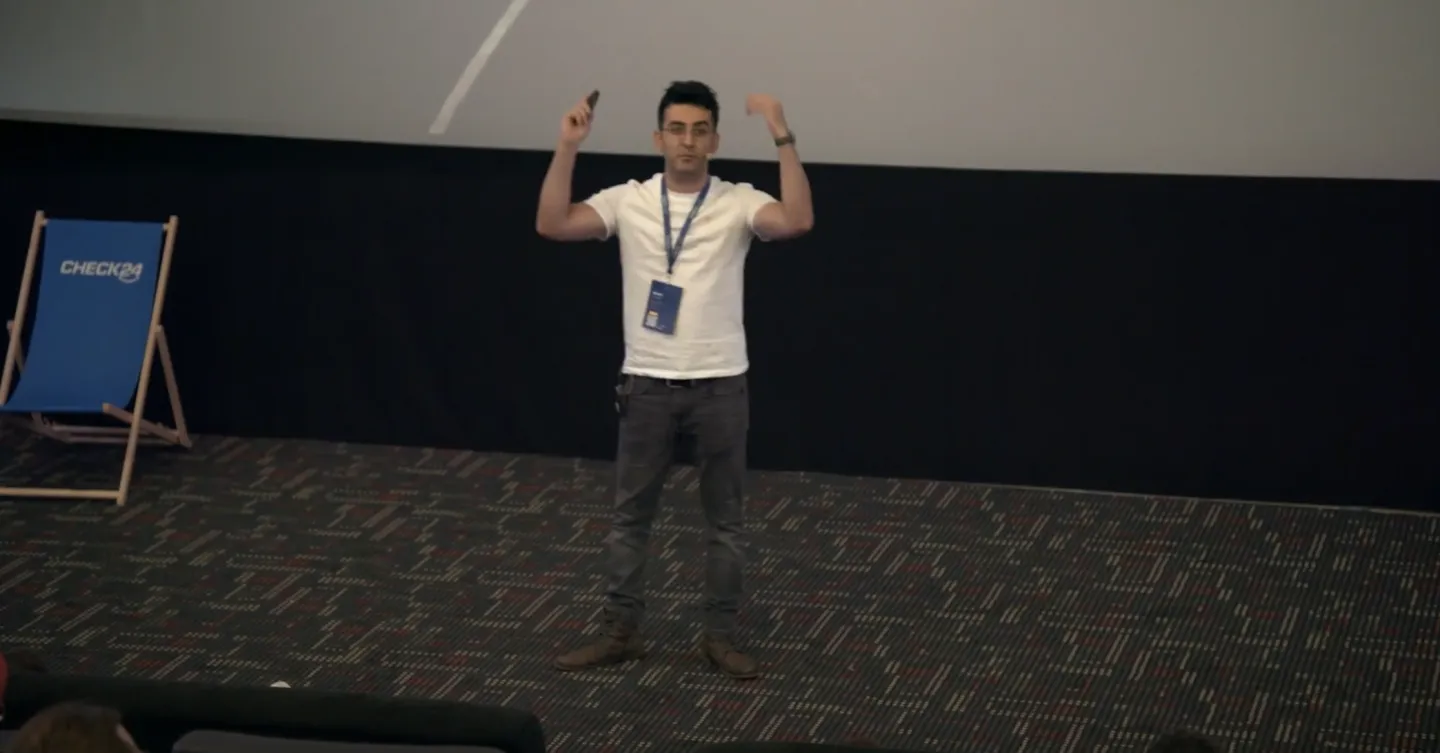
Why storytelling? Because stories are instant generators of interest, empathy, emotion, and intrigue. They establish the context of a talk and make people care. We’re born to love them. When you can pull humor, self-deprecation, and insight into a single story, you have a winning start. Tales of failure, awkwardness, misfortune, or disaster (told authentically) are often the moment listeners shift from plain interest to deep engagement.
Revelation
A powerful opening that takes my breath away, a provocative question or statement that grabs attention and makes people curious to hear more.

Here, for example, I opened with a provocative line from Aristotle: “95% of everything you do is the result of habit.”
Revelation can also be a compelling story, a dramatic visual, or music.
Throughline
The throughline answers: What’s your point, and where are you taking me?
It sparks curiosity and desire by promising what you’re going to give. It’s the connecting theme that ties every element together. Think of a talk as a journey; if you want the audience to come along, give them a hint of where you’re headed. The throughline traces the path the journey takes.

A message worth saying
You need something worth saying, preferably something inspiring.
Someone isn’t inspiring because they look at you with big eyes and ask you to believe in their dream. They’re inspiring because they actually have a dream worth getting excited about. So ask yourself: Why does what you care about matter?
Call for action
By now you’ve communicated your ideas and what matters to you. It’s time to invite the audience onto your path: ask them to imagine themselves doing something that’s a real contribution to the future.

That’s it.
A few more ideas live in the last slides of the original presentation if you want tips on preparing and improving a talk.
What’s an important ingredient to you? I’d love to hear it.