← all book reviews · review 24 / 82
engineering
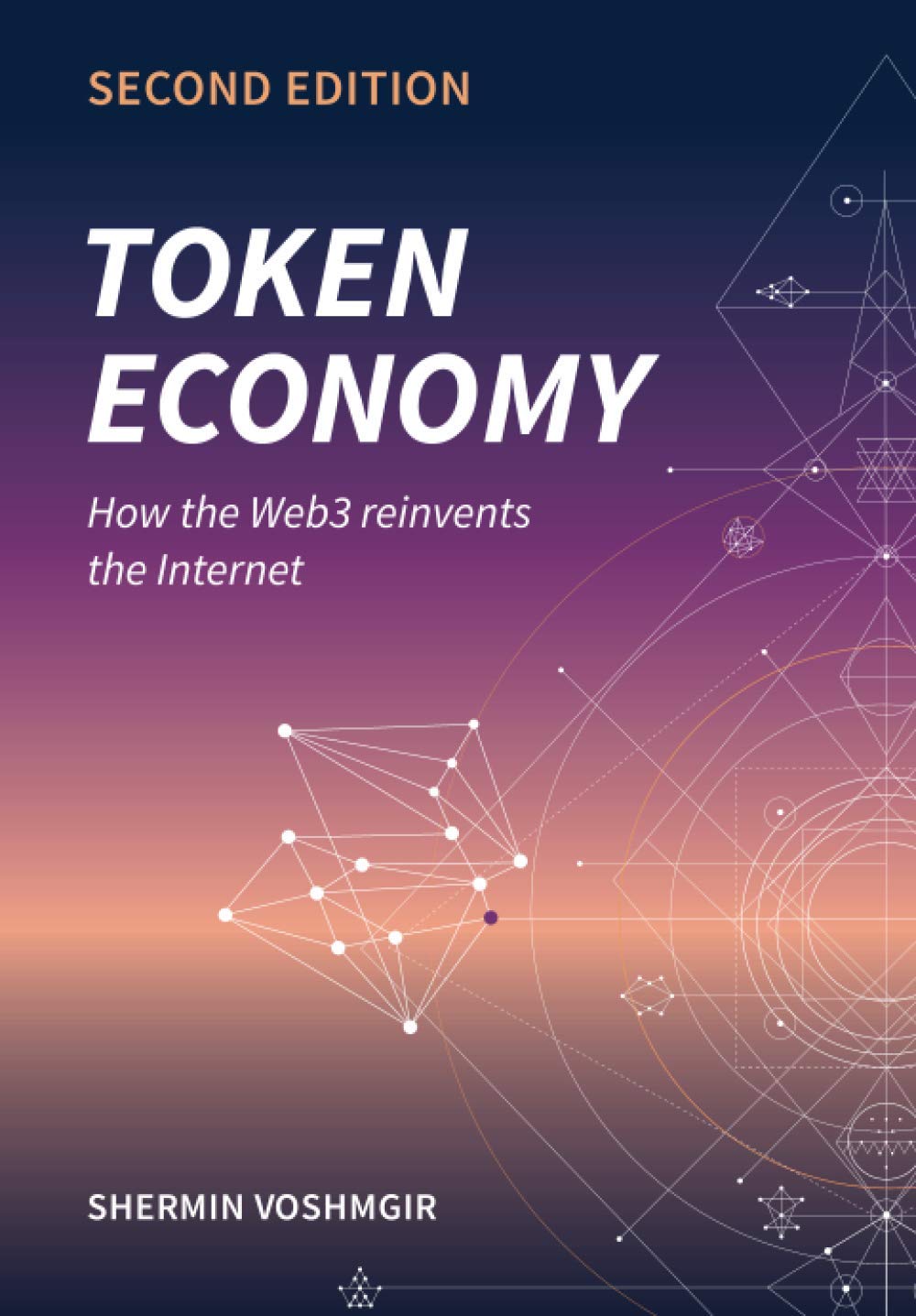
Token Economy
rated 5 out of 5read february 2022
notes · 2 min read

Read Daniel's notes about Token Economy on the booksense app
open booksense →Web3 is the next wave of technological change with the potential to uproot many industries.
It is in its early stages. The only thing you might have seen or heard so far regarding web3 might be the speculative market of cryptocurrencies and NFTs.
The current Internet was built to connect machines and not humans. Its protocol is stateless and lacks native solutions for:
- Identity management
- Value exchange
- Governance
- Access, ownership, and settlement rights …
Web1 (information economy)—World Wide Web, HTTP protocol, rudimentary browser (client), and server apps—was invented by Tim Berners-Lee in 1989. Web1 revolutionized information access via increasing the usability of the Internet by visually appealing and easy-to-navigate websites instead of command-line interfaces which were hard to use and not intuitive.
Web2 (platform economy) revolutionized interactions. SocialMedia, e-commerce, and knowledge platforms bring producers and consumers of information, goods, and services closer together. Web2 allowed peer-to-peer interactions on a global scale. But always with a middle-man, a platform acting as a trusted intermediary which controls and governs the interaction of the users who do not know or trust each other.
Web3 (token economy) has the potential to revolutionize agreements and value exchange. Web3 changes the data structures in the backend of the Internet, introducing a universal state layer, often incentivizing network actors with a token. The backbone of this Web3 is represented by a series of blockchain networks or similar distributed ledgers.
Blockchain networks seem to be a driving force of the next-generation Internet which reinvent the way that data is stored and managed over the Internet, providing a unique set of data, a universal state layer, that is collectively managed by all nodes in the network. This provides a native value settlement layer for the Internet in the absence of intermediaries. It enables true P2P transactions.
(from the book)
This book is an overview of Web3, its main building blocks, its potentials and bottlenecks, its applications, its current stage of development, challenges ahead, and further needed innovation.
Each chapter is well referenced. The author keeps the big picture dominant throughout the book. Reads and feels like academic work while being digestible for the mass audience.
Shermin Voshmgir is unquestionably a thought leader in the Web3 movement and this book is solid proof of her thorough understanding and compelling vision of the next stage for human society.
What do you think of Web3? Did you also read some other book on Web3?
Happy reading! 📙